Wednesday, November 4, 2026

In the midst

Though I walk in the midst of trouble,

you preserve my life;

you stretch out your hand against the wrath of my enemies,

and your right hand delivers me.

Psalm 138:7

Lord,

You know the trouble that I find surrounding me. In the call to serve Christ in His Church there are many known dangers: false teaching, busy-ness, misplaced efforts, fighting among the saints, opposition from the world, the flesh, and the devil, and increasing cultural pressures against the truth. I’ve been at this for nearly forty years now and it has always been relentless. But lately all my troubles are much more personal and deeply felt.

Then there is the call to come alongside others in their troubles. Shepherding them in personal discouragements, sickness, death, grief, relational struggles, sin’s deception, doubts, repentance, shattered faith, worldly concerns, and losses of every imagineable kind. Sharing in those struggles often feels personal when as I shepherd I am also living and sharing life with Christ’s flock. Christians in community will walk in the midst of trouble. And as hard as it is sometimes, it is a gift from a wise and powerful God!

God, You give trouble as a gift in two ways. First, we have the experience of being brought to You together in pain, in suffering, or in grief. I am close to my church because of the trials they have shared with me and I have shared with them. Trouble shared isn’t always bad. Secondly, trouble is a gift that draws us to You, Lord. We see You deliver! We see You protect! We see You bring needed change! Thank You! We live the reality of the comfort of the gospel in every trouble that You lead us through, Lord. Praise God for preserving my life in the middle of the mess!

Amen

Tuesday, November 3, 2026

pray for the life of the king

And whatever is needed—bulls, rams, or sheep for burnt offerings to the God of heaven, wheat, salt, wine, or oil, as the priests at Jerusalem require—let that be given to them day by day without fail, that they may offer pleasing sacrifices to the God of heaven and pray for the life of the king and his sons.

Ezra 6:9-10

God used the decree of a pagan king to secure His worship in the temple being rebuilt in Jerusalem. This provided safety and security for the Jews to again worship God as He had commanded them as they returned from exile. What’s more, even Darius the Persian king knew that sacrifices and prayers on His behalf aided the success of the empire. The Persians created a way for God to be worshiped by His covenant people so that God would again bless the nations of the earth. God used a human ruler to build His house and reinstate His worship as He blessed the covenant with His people.

Lord of the nations,

You command the decrees of kings. You rule over the laws of the nations. You direct the hearts of leaders so that Your will is always done. Do so today. Move in nations to protect and promote the spread of the gospel so that Your kingdom comes… Your will is done.

Amen

Monday, November 2, 2026

the lost is found

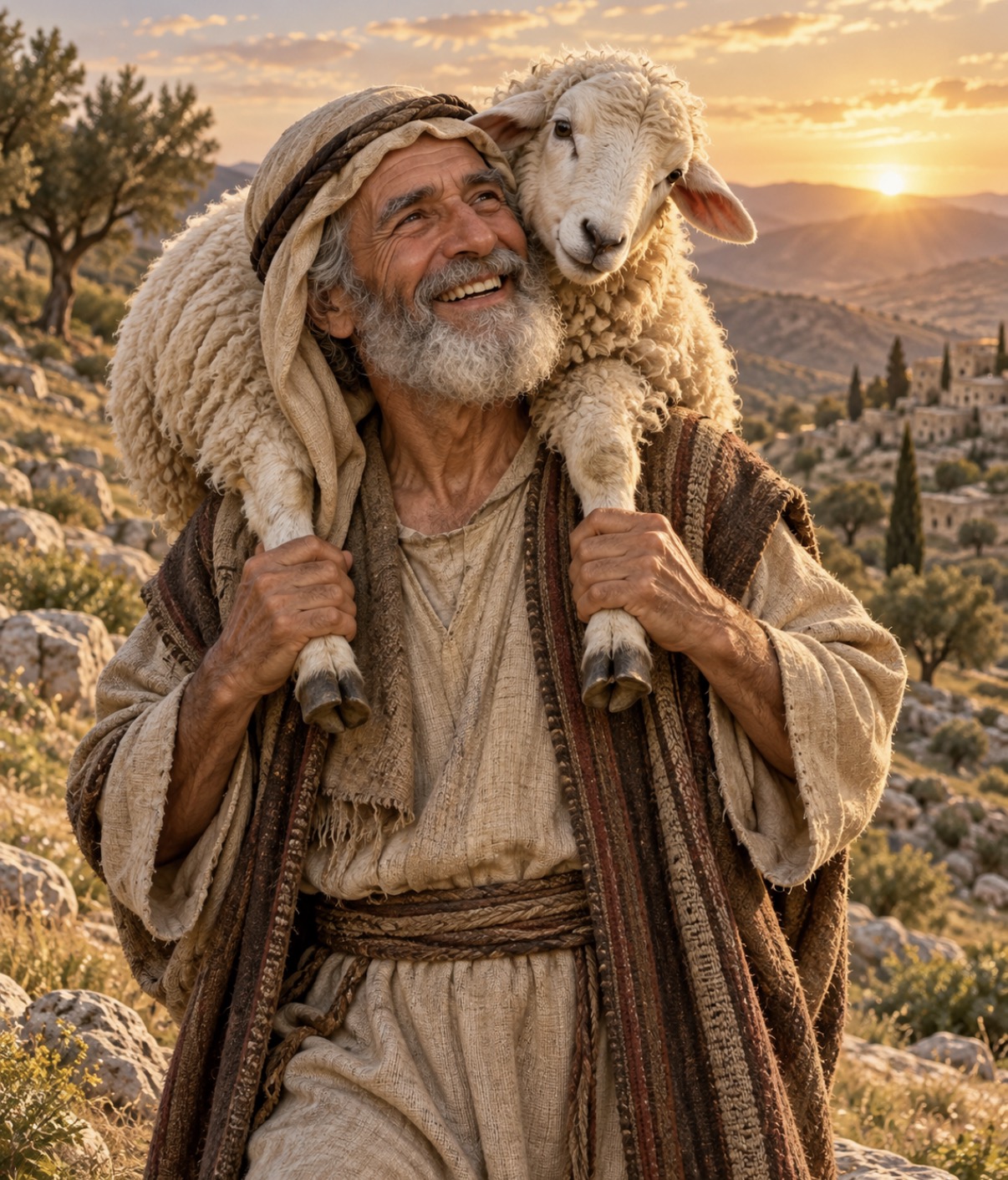
And when he has found it, he lays it on his shoulders, rejoicing.  Luke 15:5

God rejoices at the return of every wanderer. Why? Because He goes after a lost one. He returns rejoicing at the joy of finding the returning prodigal coming home. In the parable of the lost sheep, the shepherd even throws a party inviting his neighbors to share in the joy of the one who carried what was lost back on his shoulders. Similarly, the woman who found her lost coin parties with her friends and neighbors (Luke 15:9). And the father of the prodigal son throws the biggest shindig of them all, exuberant over the return of his lost child (Luke 15:22-24).

We too should rejoice when the grace of God brings a sinner to repent. That’s one reason that I love that my home church has a tradition at the conclusion of a baptism. When the believer comes up out of the water, we do standing ovations and stadium cheers and whistles. The greatest joy should always be reserved for the eternal work of salvation in Jesus. Let’s laugh with joy at lambs that come home on the shoulders of shepherds, rejoicing that they are safe in the fold. Let’s party over loose change recovered from couch cushions and back in circulation! Let’s feast for lost boys who come to their senses and find themselves back home embraced by family!

It is good that the lost is found.

Friday, October 30, 2026

A theology of humility

The LORD lifts up the humble;

he casts the wicked to the ground.

Psalm 147:6

Humble people acknowledge their need, submit to God, and receive His mercy and grace. God repeatedly promises to sustain them and to raise them above their humble state. A quick survey of the canon of scripture captures this “theology of humility”:

  • The Law - God helps the helpless. This is the story of the development of the covenant with Israel, epitomized in the Exodus (Exodus 2:23-25; 3:7-8). God heard the cries of oppression. He promised that the humble who repented would find Him to be faithful (Leviticus 26:40-45).
  • Historical books - God raises the lowly. Hannah sang of the God Who both humbles and exalts (1 Samuel 2:7-8). God promises Solomon that a humble, repentant nation would be heard, healed, and forgiven (2 Chronicles 7:14).
  • Poetry and Wisdom - God sustains the dependent. God teaches the humble His ways (Psalm 25:9), draws near the the broken-hearted (Psalm 34:18), and gives an inheritance to the meek (Psalm 37:11). Pride leads to humiliation while humility leads to honor (Proverbs 15:37; 29:33).
  • Prophets - God lives with the lowly. He revives their hearts (Isaiah 57:15). God favors those who humbly receive His Word (Isaiah 66:2). The humble make up a preserved remnant (Zephaniah 3:12).
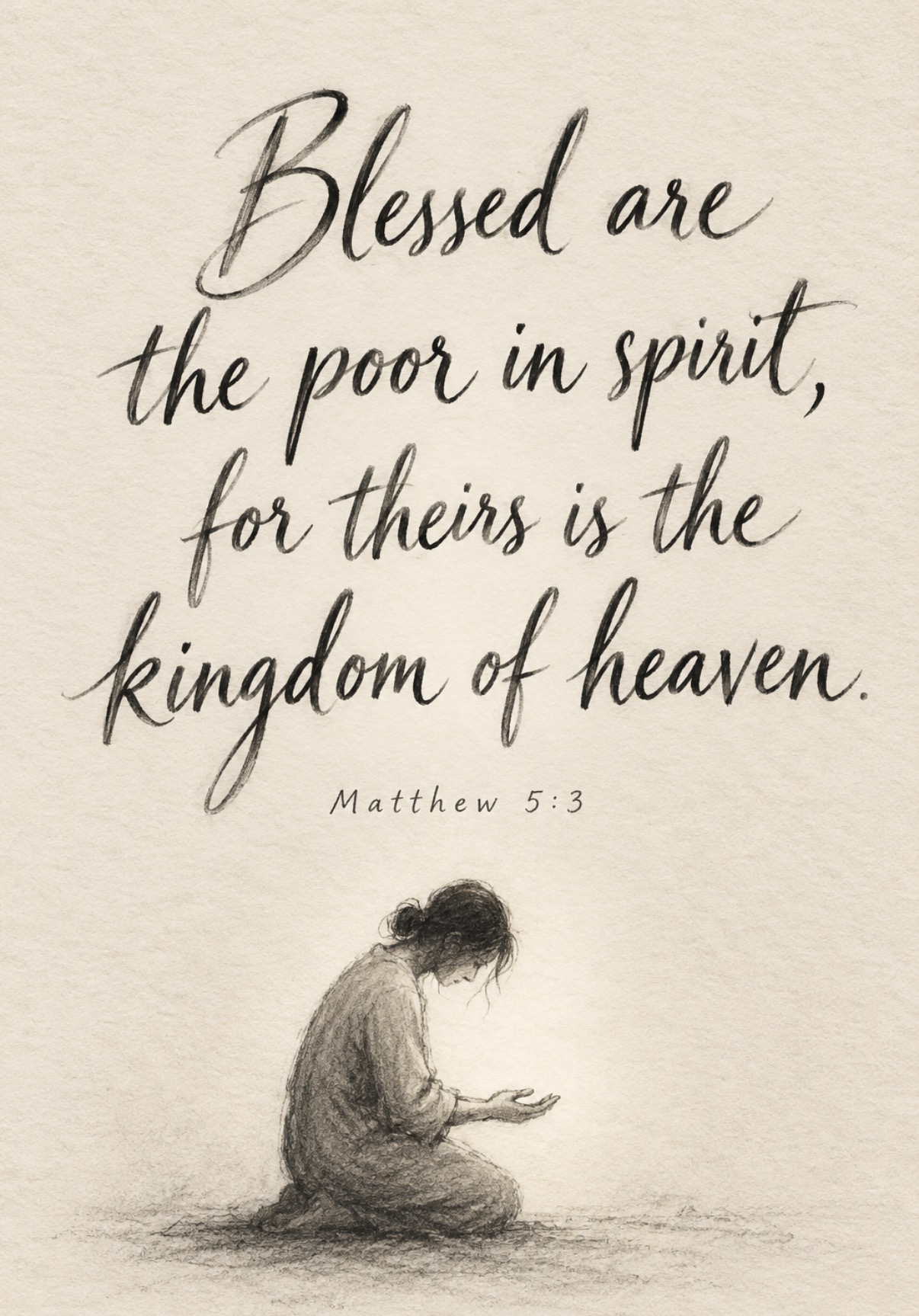
  • Gospels - Jesus promises hope for the humble. Mary sings of the God Who exalts humility (Luke 1:52). The poor in spirit receive Christ’s kIngdom (Matthew 5:3-5).
  • Epistles - Grace comes to the humble. Both James and Peter promise that God will lift up the humble (James 4:6-10; 1 Peter 5:5-10).
  • Revelation - The lowly are led to victory. Christ is there in the suffering of His saints. He wipes away all tears from this broken world (Revelation 3:21; 21:4).

In summary: God receives the repentant, sustains the dependent, and sees His humble people alll the way into the reward of His glory forever!


Thursday, October 29, 2026

tender renewal

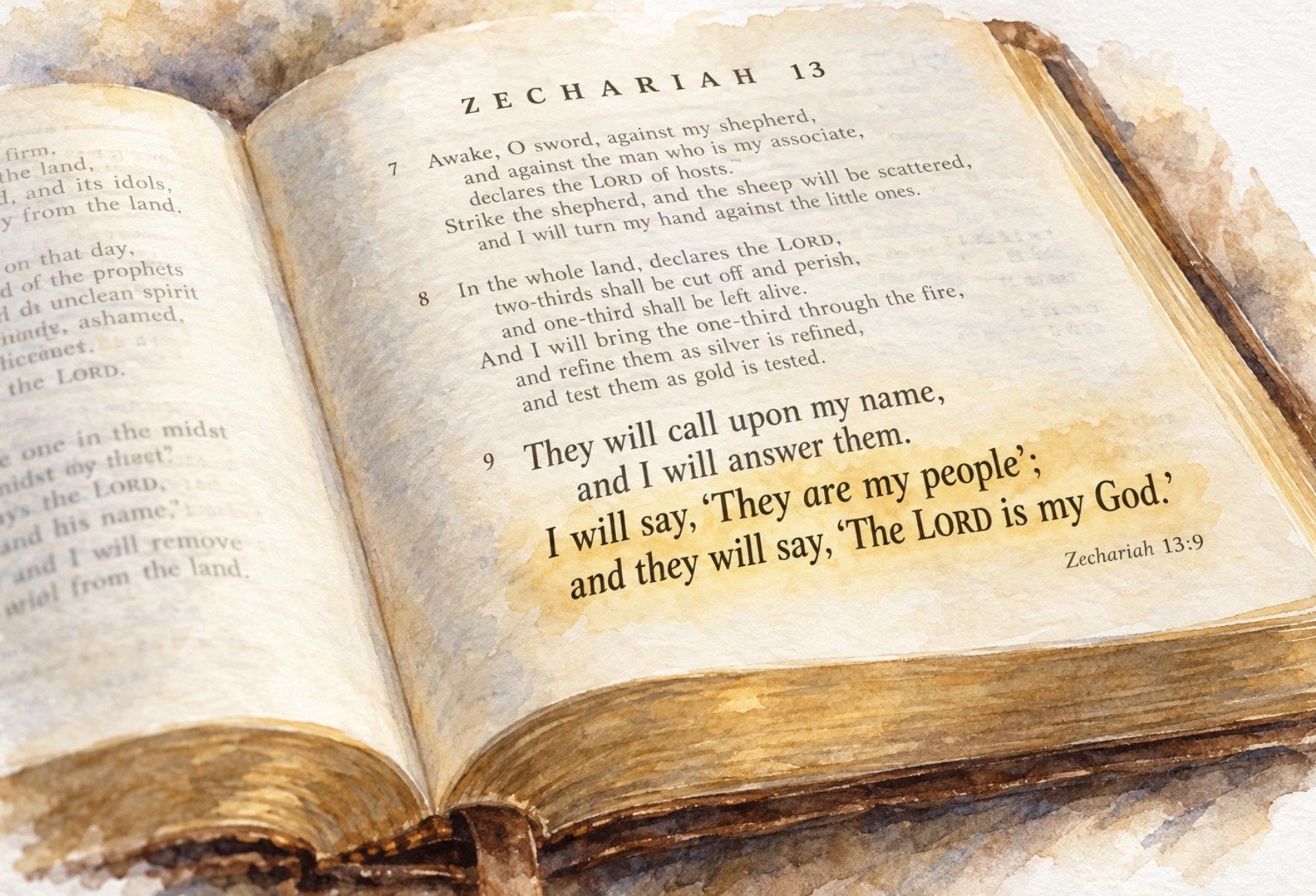
They will call upon my name,

and I will answer them.

I will say, ‘They are my people’;

and they will say, ‘The LORD is my God.’”

Zechariah 13:9b

This is the tenderness of a covenant relationship. God sought for closeness with Israel. But in context of this prophecy, what it would take to get a remnant back into this state would be nothing short of intense judgment from God’s hand. Look how it is described:

  • Idolatry would be thrown down (13:2a).
  • False prophets would be silenced (13:2b-6).
  • Leaders would be struck down (13:7).
  • Two-thirds of the nation would be killed in the siege (13:8).
  • One-third that survived would be refined by trial (13:9a)

It is sad that this is what God would have to do in order to get the attention of His own people. It serves as a warning about how hard-hearted and broken we are by sin’s dominion. And it reminds us today of how blessed we are in a new covenant when all such judgment has been poured out on the cross in the sufferings of Christ. Yet we too must head these warnings:

  • We must guard against heart idols (1 Cor. 10:14).
  • False teachers will try to deceive Christians (2 Pet. 2:1-3).
  • Leaders are vulnerable to deception and must protect the flock (Acts 20:28-31)

Lord, we thank You that Jesus has borne our judgment. May our hearts be tender as Your people. You are our God. We are Your people. Help us guard, reject false teaching, and humbly obey You, Lord! Amen

Wednesday, October 28, 2026

The greatest loyalty

If anyone comes to me and does not hate his own father and mother and wife and children and brothers and sisters, yes, and even his own life, he cannot be my disciple.

Luke 14:26

The strong words here show that Jesus takes seriously the commitment of His disciples. His statement is nothing short of a demand for supreme loyalty. But this is in no way a call to hostility… it is, as noted, an invitation to loyalty. “Hate” here is a Hebraic way of conveying that loyalty. It means there is a greater commitment to Jesus than to any other human relationship. The disciple places following Jesus above all other loves. We still love family. We supremely love only our Savior with a type of love belonging only to Him.

Luke’s words when compared to Matthew 10:37 show us this comparative loyalty and love. In Matthew Jesus says that anyone who loves family more than Him is not worthy of Him. Discipleship is bound to following Jesus by the highest love. Thus, followers of Jesus love Him most.

The real test comes when loyalties come into conflict. Jesus will always ask us to love Him rightly first. Family may not do so. If family demands turn in any way from us following the Way, the Truth, and the Life of Jesus, we must choose the Lord. This is the cost of discipleship in human relationships.

That final phrase… “even his own life”, shows that this is all about personal surrender to the Lordship of Jesus Christ. Our desires, our ambitions, even our own survival all must be subordinate to the love and obedience of Christ. Thus, living as a Christian disciple of Jesus is the highest commitment that directs every other facet, relationship, and love in my life.

Tuesday, October 27, 2026

From tears to harvest

The LORD has done great things for us;

we are glad.  Psalm 126:3

When God brought Zion home again,

We dreamt beyond our years of pain;

Our mouths with sudden laughter rang,

Our tongues awoke, and gladness sang.


Nations saw and stood amazed:

“The Lord has worked!” Their voices praised.

For mighty things our God has done;

We rejoice in victories won.


Restore our fortunes, Lord, we pray.

As streams in deserts flow our way;

Let mercy flood our thirsty ground,

May songs resonate where sorrow did resound.


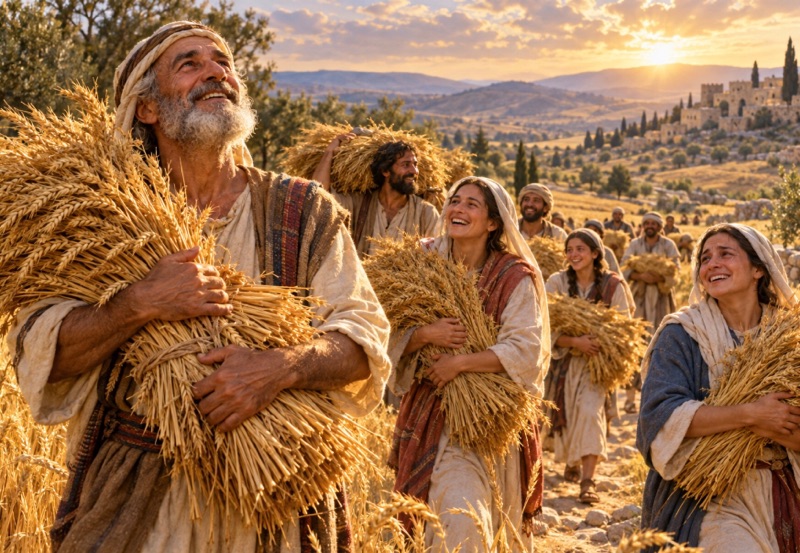
Those sowing seed with falling tears

Shall reap with joy in coming years.

Though weeping, now they bear the grain,

Their faithful sowing not in vain.


They shall return with songs of praise,

With gathered sheaves and glad displays;

The fields once watered by their woes

Shall yield the joy that God bestows.